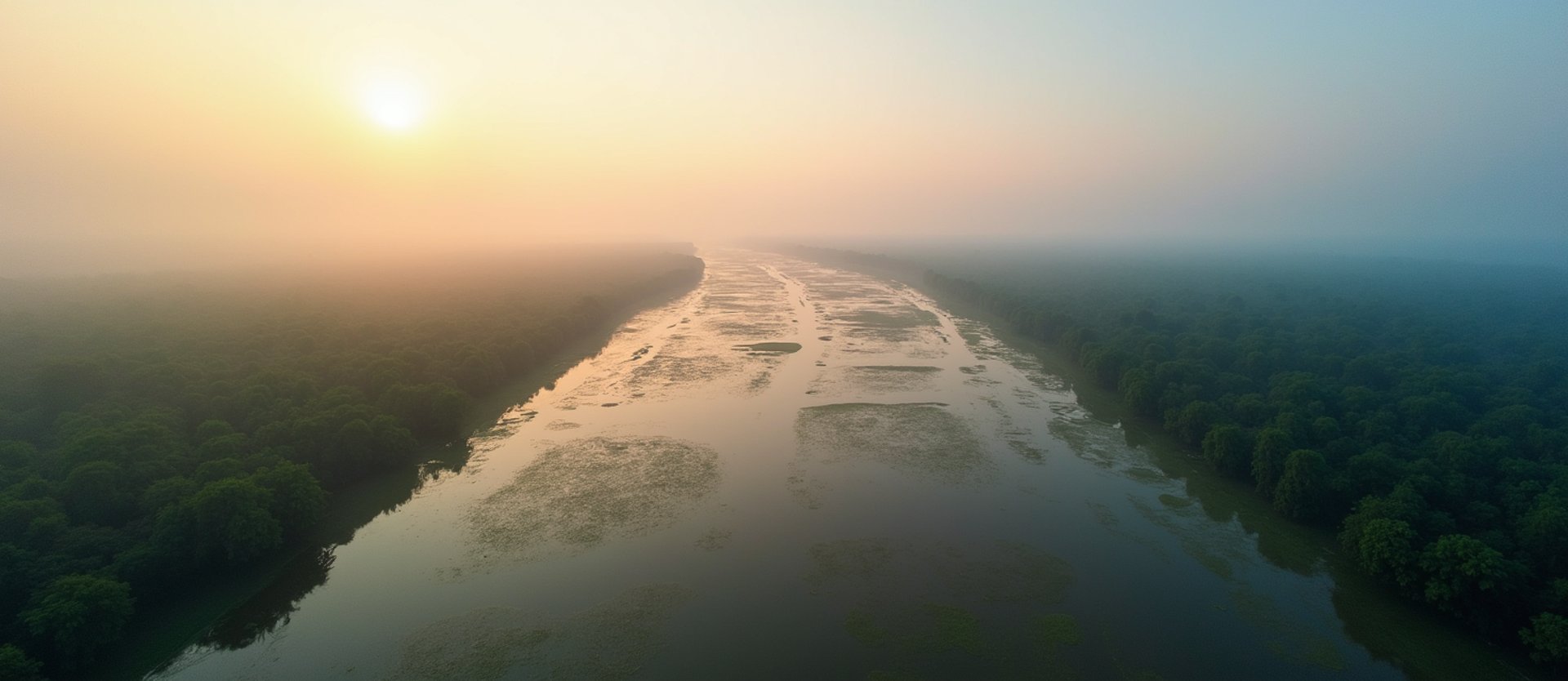
The Tanjung Bawang Sustainable fisheries development
The Tanjung Bawang coastal mangrove ecosystem plays an important ecological role as a nursery, spawning, and feeding ground for various commercially important fisheries species. (location ref. https://maps.app.goo.gl/k8pHxqBvNSSscDr48)


Fisheries richness
Potential for Ketapang fisheries hub
Tanjung Bawang possesses considerable potential for fisheries development due to its productive coastal and estuarine ecosystems, extensive mangrove forests, and access to rich fishing grounds in the waters of Ketapang. These natural assets support both sustainable capture fisheries and aquaculture activities, including fish, shrimp, and mud crab production.
Designed as an integrated model connecting mangrove ecosystem conservation with research-based coastal fisheries development and community empowerment. Through multi stakeholder strategic partnerships, the Tanjung Bawang coastal area has the potential to become a national center of excellence for mangrove ecosystem-based coastal fisheries development in Indonesia.
The Mangrove Wildlife Corridors
This coastal fringe serves as a critical buffer zone, hosting specialized species that rely on healthy estuarine conditions to survive.
Estuarine Nurseries
Avian Corridors
Canopy Mammals
Tidal root systems shelter juvenile fish and crabs, directly supporting the local community fisheries that patrol these waters.
The upper mangrove canopy provides critical foraging territory for threatened proboscis monkeys and local primate populations.
Migratory shorebirds utilize the mudflats as vital feeding stops along the East Asian-Australasian Flyway corridor.


Halting the Coastal Degradation
Unregulated aquaculture and localized timber extraction threaten to destabilize these fragile sediment layers, releasing centuries of stored carbon back into the atmosphere.
By establishing community-managed concessions, it may replace extractive practices with sustainable fisheries and direct carbon-finance incentives.